
LEADS
Bought lists vs researched leads: what’s the difference?
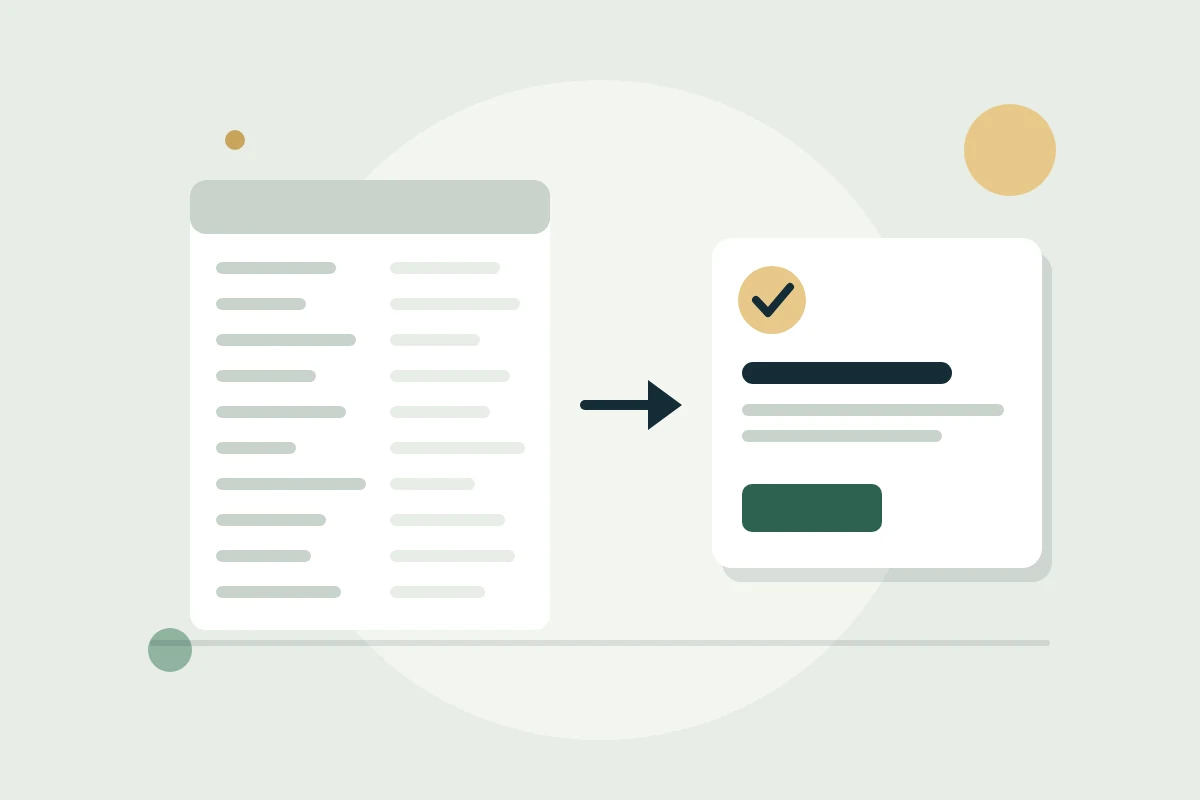
If you’ve ever looked for new business customers, you’ve probably been offered a list: thousands of company names and email addresses for a few hundred pounds. It sounds like a shortcut. Sometimes it is. Often it isn’t.
What a list gives you
Volume. A list is a big spreadsheet of businesses in a category, with contact details of mixed age and quality. Nobody has checked whether any of them need what you sell.
That leaves you two choices. Send the same message to everyone and hope, or go through the list yourself and work out who’s worth contacting. The second is the real work, and the list hasn’t done it.
What a researched lead gives you
A researched lead starts from the other end. Someone has looked at that one business, checked it against what you sell and where you work, and written down why it looks like a fit.
You get fewer of them. But each one arrives with the thing a list never has: a reason to get in touch.
Where bexford fits
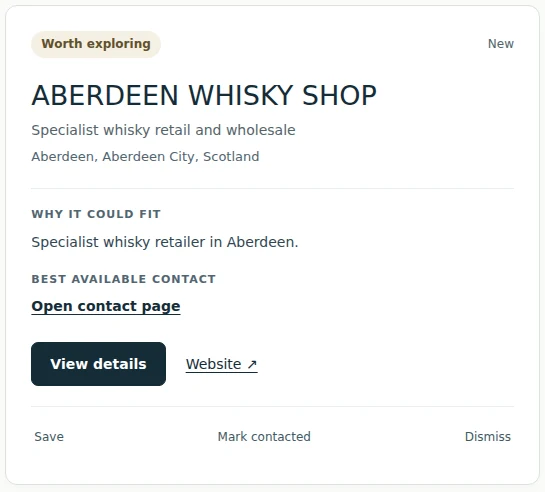
bexford does the researched kind. You describe what you sell, who buys it and the UK areas you cover. It finds businesses one at a time and gives you, for each, why it fits, a published way to make contact and a first message to start from.
It doesn’t send anything for you. You choose who to approach and you write to them yourself, because that part works better coming from you.
Your first five are free, so you can judge the quality before paying anything. More about how the leads work.